


Hybrid Electric Power Systems: The Future of Resilient Energy
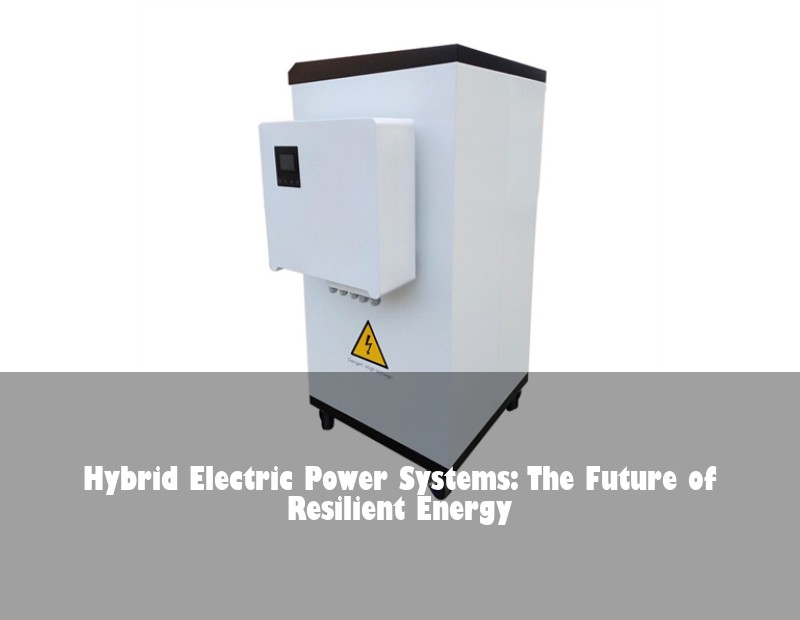
Imagine your business facing sudden grid outages during peak operations. Now picture seamlessly switching to clean energy without interruption. This isn't science fiction—it's the reality enabled by hybrid electric power systems. As Europe accelerates its energy transition, these integrated solutions combining solar, storage, and smart controls are redefining reliability for industries and communities alike.
Table of Contents
- The Energy Trilemma: Why Hybrid Systems?
- Core Components of Hybrid Systems
- Case Study: German Manufacturing Plant Transformation
- Economic & Environmental Advantages
- Overcoming Implementation Challenges
- Future Trends: AI & Grid Integration
- Your Next Step
The Energy Trilemma: Why Hybrid Systems?
Europe faces a threefold challenge: ensuring energy security amid geopolitical tensions, meeting aggressive decarbonization targets, and stabilizing electricity costs. Traditional grid infrastructure struggles with these competing demands. Consider these realities:
- EU grid outage costs exceed €150 billion annually (European Commission)
- Renewable curtailment wasted 12.6 TWh of clean energy in 2022 alone
- Industrial electricity prices jumped 45% year-on-year in Q1 2023
Hybrid systems resolve this trilemma by integrating multiple generation sources with intelligent energy routing. When the grid falters, batteries kick in within milliseconds. When solar production peaks, excess charges storage instead of being wasted. It’s not just backup power—it’s an orchestrated energy ecosystem.
Core Components of Hybrid Systems
Modern hybrid configurations blend four key technologies:
Generation Layer
Solar PV remains the cornerstone, but advanced systems incorporate wind turbines or even hydrogen-ready generators. The magic lies in diversification—ensuring consistent output regardless of weather conditions.
Storage Intelligence
Lithium-ion batteries dominate, but flow batteries gain traction for long-duration needs. The real innovation? Predictive algorithms that learn consumption patterns. For example, Siemens' Siestorage uses weather forecasts to pre-charge batteries before cloudy periods.
Power Conversion
Hybrid inverters like Fronius Symo Hybrid perform real-time acrobatics—converting DC to AC, managing grid feed-in, and preventing islanding. These are the nervous system of your power setup.
Control Brains
Energy Management Systems (EMS) act as conductors. Schneider's EcoStruxure platforms can prioritize loads during outages—keeping critical refrigeration running while temporarily pausing non-essential machinery.
Case Study: German Manufacturing Plant Transformation
Let's examine how automotive supplier Rheinmetall implemented a hybrid system at their Düsseldorf facility in 2022:
Project Overview
Facing volatile energy prices and strict CO2 regulations, they deployed:
- 2.8 MW rooftop solar array
- 1.2 MW/2.4 MWh battery storage
- Backup gas genset (hydrogen-convertible)
- AI-driven energy management platform
Performance Data
Results after 18 months:
- €396,000 annual energy cost reduction
- 76% decrease in grid dependency during peak hours
- Carbon footprint reduced by 548 tonnes/year
- ROI achieved in 4.2 years (vs. projected 6 years)
Lessons Learned
"The surprise benefit was revenue generation," notes plant manager Anika Vogel. "By participating in primary control reserve markets, our batteries earn €28,000 monthly by stabilizing grid frequency."
Economic & Environmental Advantages
Hybrid systems deliver compound value that single-technology solutions can't match:
- Cost Arbitrage: Charge batteries during low-tariff periods, discharge during €0.45/kWh peaks
- Resilience Premium: Avoid €15,000+/hour downtime costs in manufacturing
- Grid Services Income: Frequency regulation can generate €50-120/MWh
- Carbon Accountability: Meet EU Corporate Sustainability Reporting Directive requirements
A 2023 Fraunhofer ISE study confirmed hybrid systems reduce LCOE by 31-44% versus standalone solar or diesel across Southern Europe.
Overcoming Implementation Challenges
While benefits are compelling, three hurdles require attention:
Regulatory Navigation
Germany's Messstellenbetriebsgesetz mandates specific metering for grid interaction. Work with local partners who understand these nuances.
Technology Stacking
Mismatched equipment can cripple performance. Opt for pre-integrated solutions like SMA's Sunny Home Manager that ensure component interoperability.
Financing Models
Third-party ownership structures can eliminate upfront costs. EDF's "SolarStore" program, for instance, offers hybrid systems under 20-year PPAs with maintenance included.
Future Trends: AI & Grid Integration
What's next for hybrid systems? Two game-changers emerge:
- Neural Network Forecasting: Google's DeepMind now predicts wind output 36 hours ahead with 94% accuracy—letting hybrids optimize storage cycles
- Virtual Power Plants: Aggregated home systems in Sweden's ELLiSSE project provided 83 MW of grid balancing in 2023
As grid codes evolve, expect "renewable readiness" clauses requiring new industrial facilities to incorporate hybrid capabilities.
Your Next Step
Hybrid systems aren't just technical installations—they're strategic assets. Every facility has unique energy DNA: What combination of solar, storage, and smart controls would unlock your energy resilience?
 Inquiry
 Online Chat